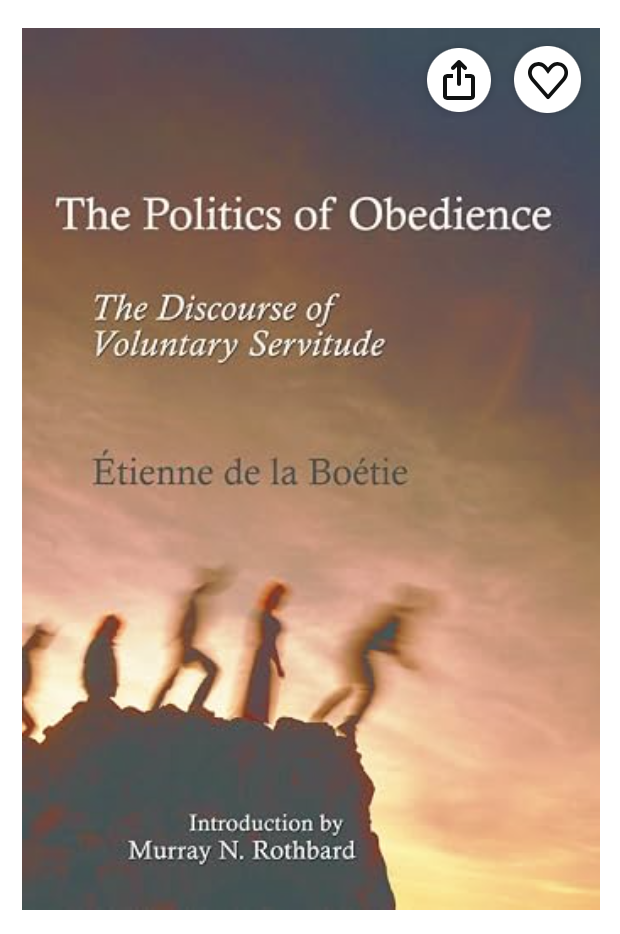
States are more vulnerable than people think. They can collapse in an instant — when consent is withdrawn. That is the thesis of The Politics of Obedience, one of the greatest and most thrilling political essays in the history of ideas.
Written nearly a half-millennium ago, Étienne de La Boétie’s tract will shake the way you think of the state. His thesis and argument amount to the best answer to Machiavelli ever penned as well as one of the seminal essays in defense of liberty.
Boétie’s task is to investigate the nature of the state and its strange status as a tiny minority of the population that adheres to different rules from everyone else and claims the authority to rule everyone else, maintaining a monopoly on law. And it’s obvious to Boétie that it can be overthrown in an instant if people withdraw their consent.
I come to you now with The Politics of Obedience (circa 1552) by Étienne de La Boétie (1530–1563). In a very real way, La Boétie is the reformer of political thought in the same way that Luther was the reformer of the Catholic Church, except that where Luther’s Reformation took hold and flourished, La Boétie’s has never taken hold to the same extent, though his ideas have influenced thinkers over the centuries.
Here is a book worth reading and really worth ruminating over. Given how brief it is (only about 80 pages in this edition) it is one that you ought not delay in reading.
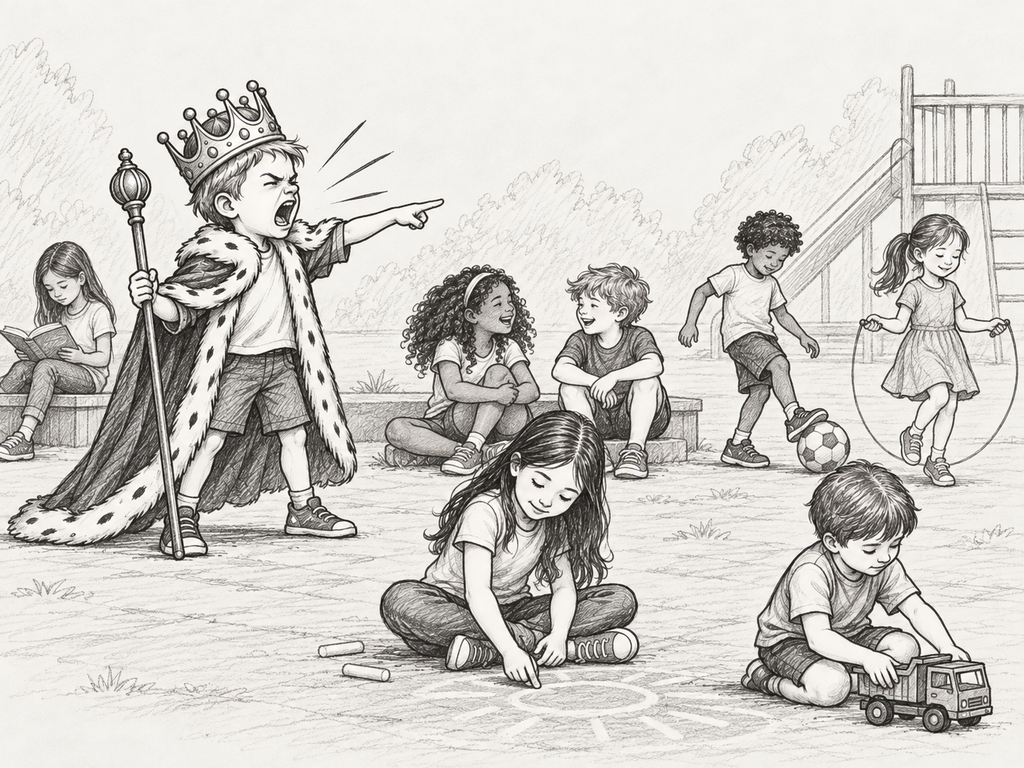
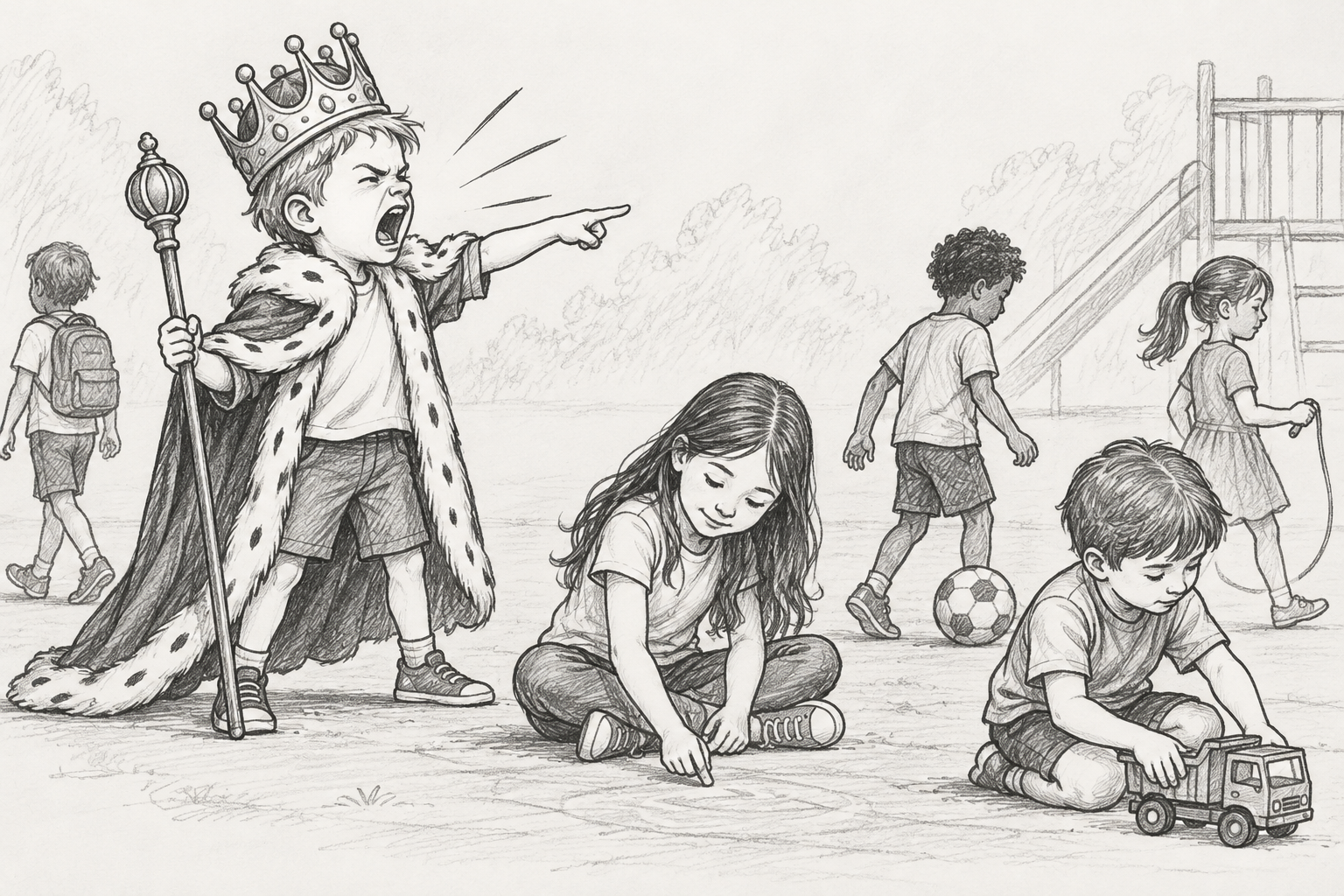
The central question is one many have grappled with: “How does one man, like Hitler, Stalin, Kim Jong Un, or even a president in a ‘democracy,’ gain so much power?” But La Boétie turned the question on its head: Why do the people submit?
His ultimate answer was radical then, and is just as radical now: mass, nonviolent withdrawal of cooperation. It seems everyone in the country complains about the income tax, and though we live under a republic and not a monarchy as La Boétie did, we seem just as powerless to effectively do anything about it. That raises the question: What would happen if the entire nation, or even just a very large minority—say 40% or even 30%—refused to pay their taxes? What could the rulers do about it? They couldn’t realistically jail 30% of the population. What could they do? And given that they couldn’t do much- why don’t the people simply stop cooperating?
He argues that there is no need for bloodshed, no need for violent resistance, but simply a resolution by the people to withdraw their cooperation.
As of the fall of 2026, you can get a physical copy for $8 here also: https://mises.org/library/book/politics-obedience-discourse-voluntary-servitude. You can get the EPUB for free, and you can also find the full book in audio for free on YouTube or in any podcatcher.
Don’t skip over the introduction by Murray N. Rothbard.
It’s a book that has haunted me for 25 years since I first read it.
Andrew Hayes is a farmer and rancher in SW Oklahoma.
He can be reached at hayes@mises.com
Editor’s note: Book covers at the top of the review are linked to Amazon for purchase. If you order with our direct link it will benefit our work here a little. Every little bit helps! Thanks for your support.
Shared via CLC Library
You must be logged in to post a comment.